
cropper
update
Stratalyst Media Group
update
  • Home
  • Categories
    • Business Wire
    • Healthy Living
    • Technology
    • National News
    • Lifestyle
July 10.2025
2 Minutes Read

Transform Your Home: Smart Echo Device Deals for Professionals

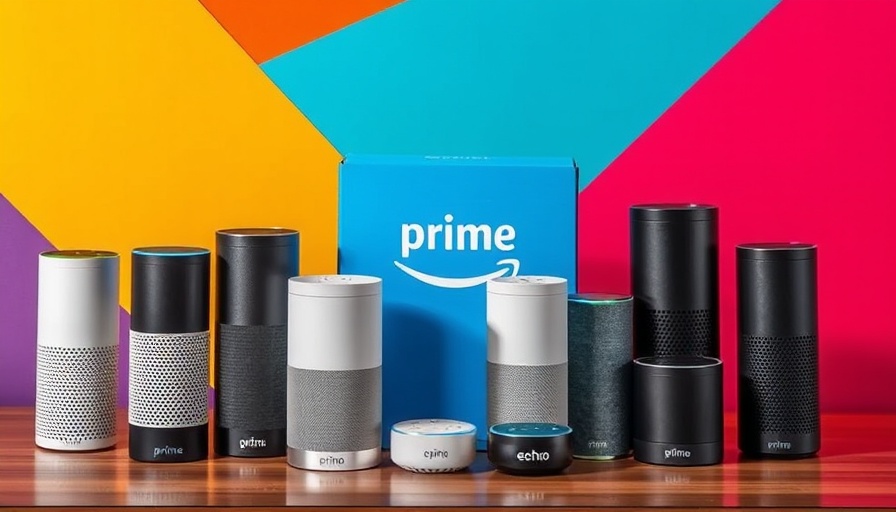
Echo devices Prime Day deals display with colorful backdrop.

Unleash the Power of Smart Devices

In today's digital age, transforming your living space into a smart haven has never been easier, especially with Amazon's Prime Day. As business leaders and entrepreneurs, leveraging technology in your home isn't just a trend—it's an opportunity to improve efficiency and showcase innovation. Echo devices, with their integration of artificial intelligence and machine learning capabilities, allow you to manage your environment effortlessly.

The Benefits of Smart Living

Smart devices like the Echo can enhance productivity by controlling everything from lighting to security with simple voice commands. By incorporating these tools into your daily routine, you can save time, optimize your home, and enjoy more leisure, ultimately making you more effective in your professional pursuits.

Why Echo Devices Stand Out

Amazon's Echo devices are at the forefront of the Internet of Things (IoT), providing seamless connectivity to various amenities. Their ability to integrate with other smart technologies exemplifies the idea of hybrid cloud and edge computing. These devices not only simplify tasks but also present a significant advancement in cybersecurity through constant updates and robust security features.

Envisioning a Smarter Future

As technology continues to evolve, anticipated advancements such as augmented reality and 5G technology will further enhance the capabilities of smart homes. Imagine a future where voice recognition and AI assistants can predict your needs based on daily habits. Understanding these technologies today will prepare you for the changes that lie ahead.

Getting Started on Your Smart Journey

For professionals looking to bridge the gap between personal convenience and technological advancement, here are a few actionable tips:

  • Invest in AI tools: Start small by incorporating chatbots or AI assistants into your daily workflow.
  • Utilize big data: Monitor and analyze your energy use to make informed decisions about upgrades or changes.
  • Explore SaaS solutions: Discover software solutions that enhance connectivity across all your devices.
By taking these steps, you can position your home as a reflection of your ambitions and innovation.

Smart homes are no longer a luxury but a necessity for business leaders wanting to embrace modern living.

Technology

8 Views

0 Comments

Write A Comment

*
*
Please complete the captcha to submit your comment.
Related Posts All Posts
05.25.2026

Understanding Smart Home Security and Privacy: What Business Leaders Must Know

Update Why Smart Home Technology is Essential Today Smart home technology has transitioned from a mere novelty to a cornerstone of modern living. As today’s homeowners embrace devices that optimize everything from their energy use to their leisure time, they often find themselves pondering the deeper implications of this technology. While smart home solutions promise convenience, the conversation should encompass not just enhanced lifestyles, but also critical considerations about privacy and security that accompany these choices. Privacy: A Double-Edged Sword According to experts like Mireille Hildebrandt, the relentless collection of data by smart devices elicits significant ethical concerns. Younger users often approach smart technology with skepticism, wary of being constantly monitored, while older users may view it as a safety net—providing alerts for unusual activity or assisting in emergencies. This divergence in perspectives emphasizes a crucial part of smart technology design: understanding and addressing these varied consumer concerns is essential to fostering trust and security. Inclusivity in Design: A Path Forward The design of smart technology should prioritize inclusivity rather than a one-size-fits-all approach. Various studies indicate that many smart devices, such as virtual assistants, frequently struggle to understand diverse accents and languages, thereby marginalizing significant sections of the population. To better engage with today’s users, manufacturers should actively involve representatives from diverse backgrounds in the design process. This commitment not only cultivates a sense of belonging but also enhances user experiences across demographics, ultimately driving broader adoption. Security Matters: Navigating Risks of Connectivity The amalgamation of convenience and security in smart homes poses notable vulnerabilities. With the daily surge of connected devices, cybersecurity risks become a critical concern for homeowners. It's vital for manufacturers to prioritize stringent security measures—think end-to-end encryption and regular software updates. Furthermore, educating users on safe internet practices is equally essential. Knowledge about how to maintain their digital footprint empowers users to manage their privacy without compromising the convenience offered by smart home innovations. The Future of Smart Home Ecosystem Looking ahead, the smart home landscape promises significant evolution. Future advancements will not just rely on integrating devices. Instead, the goal will be to create a synchronized lifestyle experience encompassing the preferences and data of every household member. Developments like the Connectivity Standards Alliance's Matter protocol may set the stage for greater compatibility among devices, paving the way for widespread functionality and user satisfaction. Conclusion: Your Role in the Smart Home Conversation The discourse surrounding smart home technology has real implications on daily lives and societal expectations. Staying informed about privacy issues, design inclusivity, and security measures allows consumers to make conscious decisions about their tech investments. Ultimately, the collaboration between consumers and manufacturers will be crucial in steering the future towards safer, more accessible innovations. To navigate this evolving landscape and advocate for a future that prioritizes safety and efficiency in technology settings, visit stratalystai.com/signal.

05.24.2026

How Great Companies Create Value: Defending Against Mediocrity

Update How Great Companies Create Value in a Mediocre World In the face of a rapidly changing entrepreneurial landscape, it's becoming clear that the best companies are those that know how to create lasting value, challenging the drift towards mediocrity. In a compelling analysis by Eric Ries, author of The Lean Startup, the focus shifts from mere profitability to the importance of maintaining integrity and aligning with core missions. This article delves deep into how great companies navigate the treacherous waters of corporate success, grappling with pressures that could lead them astray. The Shift from Profit to Value Companies often chase short-term financial gains, risking their foundational values in the process. Ries highlights that true success stems from generating more value than what is simply captured. For instance, adopt a mindset like Patagonia, which emphasizes social and environmental responsibility. This approach demonstrates how mission-driven governance can fend off mediocrity. Imagine if all companies prioritized their mission as Patagonia does—what transformative impacts could emerge in the corporate world? Governance: The Dual-Class Dilemma The structure of corporate governance is under scrutiny. Many organizations find themselves dominated by a focus on shareholder primacy, which often leads to a neglect of the broader mission. Ries points out that this misalignment can ultimately compromise organizational integrity. The average lifespan of companies dwindles, revealing that traditional governance systems may not be equipped to prioritize long-term visions over immediate returns. Thoughts arise: Can incorporating dual-class share models provide genuine control, or do they ultimately amplify risks? The Founders' Role in Mission Preservation Founders are the guardians of their initial visions, but the dynamics shift when companies scale. Increasing pressures from investors can lead to compromises that stray from the founding mission. This situation invites a critical examination of corporate governance: how can companies maintain alignment with their original aspirations when external pressures mount? Lessons from Historical Precedents Historical figures like Saul Price, known as the father of modern retail, provide valuable insights into maintaining human-centric business models. Price placed customer needs above financial returns, resulting in a sustainable pathway to success for his business, FedMart. His approach challenges today's startups to reassess their foundational missions: Are we prioritizing our customers as much as our profitability? Innovative Governance Models for Sustainability Ries suggests that companies consider more progressive governance structures, like public benefit corporations (PBCs), which balance corporate responsibilities and customer-centric ideals. As we look toward the future, the exploration of these models raises an important question: How can companies design governance frameworks that prioritize both mission success and financial health? The fight against mediocrity rests on the shoulders of business leaders who dare to challenge the status quo. Recognizing the need for innovation as well as integrity in their approach to value creation is essential for long-term success. The urgency for transformation is clear. As we contemplate the future, it’s crucial to ask: How can your company embrace a culture that champions value creation over mediocrity? Discover how to become the signal in your market. Visit stratalystai.com/signal for insights on navigating your organizational path forward.

05.23.2026

What Innovations to Expect With John Ternus as Apple CEO?

Update The New Era of Apple: Leadership Shifts and Innovation Unfolding As Apple transitions from Tim Cook to John Ternus as CEO, the tech world anticipates what fresh direction lies ahead for the iconic brand. Cook's departure, who led the company to unprecedented heights, heralds a return of innovative spirit that has been somewhat muted in recent years. Ternus, previously the Senior VP of Hardware Engineering, symbolizes a shift back to a product-centered strategy, steering Apple away from the risk-averse mentality that has characterized its operations under Cook. Understanding Ternus’s Product-Centric Approach Unlike Cook's managerial focus, Ternus embraces a hands-on method aligned with innovation and risk-taking within Apple’s hardware segment. His leadership aligns with a push towards inventive products, highlighting his background in developing groundbreaking technologies, such as Apple silicon. Ternus's leadership has sparked speculation about renewing Apple's commitment to hardware innovation, possibly breathing life into stalled projects such as ambitious versions of the iPhone and other transformative devices. A Fresh Look at Apple’s Historical Context: From Incremental to Bold History illustrates that Apple's strength stemmed from its ability to launch transformative hardware rather than mere updates. Under Cook, the company made significant progress in services but risked becoming stagnant in its core products. The leadership change signifies a critical juncture for Apple. Ternus is poised to chart a course back to revolutionary designs and features, reminiscent of the bold ventures initiated during the Jobs era. We could see experimental devices like smart glasses or innovative upgrades that reclaim Apple's pioneering status in the tech space. Rekindling Spirit of Innovation: The Importance of Hardware Hardware remains at the heart of Apple's identity, and as Ternus takes the helm, there’s a significant expectation that the company will re-engage its consumer base through spectacular, cutting-edge devices. This rekindling of hardware-focused innovation could reconnect Apple with its expansive consumer base looking for fresh, dynamic offerings. Projections indicate that we might witness innovative launches like a folding iPhone or improved smart home devices that meet the evolving needs of consumers. Facing a Competitive Landscape: Rising to the Challenge The pressure of competition from giants like Samsung and Microsoft adds urgency to Ternus’s agenda. These rivals increasingly pioneer technology that challenges Apple's narrative. The expectation is that Ternus will foster an environment that marries bold innovations with practical execution, ensuring that Apple not only keeps pace but also potentially leads in technological advancements. With artificial intelligence and smart integrations across devices becoming paramount, how Ternus approaches these challenges while maintaining Apple’s operational rigor will be crucial. The Road Ahead: What Lies in Ternus's Vision? The appending of new product categories and accelerating the integration of hardware and services is expected to be pivotal within Ternus’s strategy. With the emergence of AI influencing many tech areas, Apple's dedication to AI-driven products will likely expand under Ternus's leadership. His familiarity with hardware design may also lead to a seamless blend of services with compelling devices, driving Apple’s profitability while reclaiming its innovative heartbeat. Conclusion: Preparing for a Thrilling Future As John Ternus steps into the CEO role, the anticipation for new products and groundbreaking changes grows. Emphasis on hardware innovation, a willingness to embrace risks, and a profound understanding of consumer needs set the stage for a rejuvenated Apple. For those intrigued by the tech landscape and business strategies, Ternus's leadership journey symbolizes potential excitement and opportunity—an invitation to stay tuned as Apple embarks on this new frontier.

Terms of Service

Privacy Policy

Core Modal Title

Sorry, no results found

You Might Find These Articles Interesting

T
Please Check Your Email
We Will Be Following Up Shortly
*
*
*
