
cropper
update
Stratalyst Media Group
update
  • Home
  • Categories
    • Business Wire
    • Healthy Living
    • Technology
    • National News
    • Lifestyle
August 31.2025
3 Minutes Read

Affordable BOGO Phone Cases for Google Pixel 10: Style Meets Savings

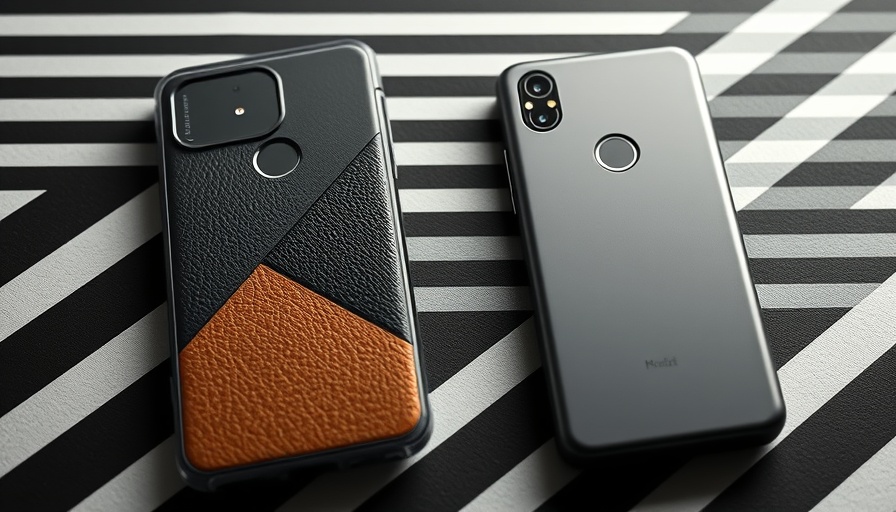
Affordable BOGO phone cases for Google Pixel 10.

Unlocking Savings with Stylish Phone Cases

As the vibrant colors of fall start to emerge, it's time to transition not just in fashion but also in how we accessorize our technology. With Labor Day approaching, Casely is leading the charge with a generous offer: Buy One Get One (BOGO) free on their line-up of phone cases tailored for the newly launched Google Pixel 10 series. At a price point of just $30 for two cases, this promotion is an exciting opportunity for individuals looking to inject personality into their devices while ensuring they are well-protected against scratches and damage.

Why Choose Casely?

Casely is making waves in the phone case market by blending affordability with quality. As consumers become more discerning in their purchases, opting for products that satisfy both functionality and style without straining their budgets is crucial. Casely addresses this demand effectively, making them a go-to option for the tech-savvy individual who wants to stay trendy without overspending.

Perfect Timing for New Season Promotions

Labor Day is historically a key shopping weekend, offering consumers numerous opportunities to snag deals. As new phone models ignite interest, promotions like Casely’s BOGO are especially alluring for new Google Pixel 10 owners. Such offers encourage shoppers to explore seasonal styles while optimizing their gadgets with accessories that reflect their personal aesthetics. Alongside the fashionable cases, complementary tech gadgets like the Lavender Heart Power Pod add even more value to this shopping experience.

Customization: A New Wave in Phone Accessories

Today, phone cases are not just utilitarian but are also a medium for self-expression. The BOGO offer by Casely serves as the perfect catalyst for individuals to explore diverse styles—from playful prints to refined classics. Such variety allows users to express their personalities effortlessly, ensuring their gadgets echo their flair.

Tips for Selecting the Ideal Phone Case

When selecting the right phone case, consider aspects such as material durability, aesthetic appeal, and overall functionality. Lightweight materials may suit those seeking portability, while shock-absorbent designs are ideal for the more accident-prone. Additionally, verifying compatibility with the Google Pixel 10 is crucial; choosing the right case ensures it meets both practical needs and stylistic preferences.

Shaping the Future of Mobile Accessory Trends

The landscape of mobile accessories is evolving rapidly, with brands focusing on sustainable materials and multifunctional designs. This shift is driven by consumer demands for products that embody innovation, sustainability, and function in equal measure. As trends lean towards eco-conscious choices integrated with technology, it’s worth watching how manufacturers respond to these changing preferences.

Smart Shopping Strategies to Maximize BOGO Offers

Take advantage of BOGO sales by teaming up with friends or family. Pooling resources can lead to significant savings, allowing everyone to enjoy an eclectic mix of styles. Community engagement can also provide insights into what others are purchasing, helping you to pivot your choices based on social proof or current trends highlighted across social media.

Conclusion: Embrace Style and Savings

The Labor Day sale at Casely isn't just about discounted prices; it's a chance to transform your phone into a canvas of individuality while securing some great deals. Don't miss out on this opportunity to enhance your tech with style and savings. To dive deeper into all things tech and discover how to elevate your position in your market, discover how to become the signal in your market.

Technology

58 Views

0 Comments

Write A Comment

*
*
Please complete the captcha to submit your comment.
Related Posts All Posts
06.13.2026

What the Unusual Underwater Leak Reveals About Google's Pixel Watch 5

Update A Dive into an Unprecedented Leak A remarkable incident unfolded in early June when a group of divers discovered alleged prototypes of the upcoming Google Pixel Watch 5 at the bottom of the sea near St. Martin. These images, shared by Gearbox Software co-founder Randy Pitchford, propound a new chapter in the saga of tech leaks, illustrating how high the stakes are for prominent firms like Google, traditionally known for stringent control over product information. The Clever Marketing or a Lucky Accident? Understanding the leak's context prompts interesting questions about its authenticity and the intentionality behind Google’s marketing strategies. Google has a history of creating buzz through unconventional methods, often opting for visually impactful teasers to generate interest. This underwater scenario, while bizarre, cleverly emphasizes the watch’s anticipated water resistance and durability, which are critical for health-conscious consumers who engage in fitness activities. The Competitive Landscape of Wearable Tech The smartwatch market has become increasingly saturated, with major contenders like Apple's Watch and Fitbit making significant strides in health monitoring. The Pixel Watch 5 is under pressure to not only compete with established players but to also distinguish itself with new health features and improved battery life. Following the notable success of previous models, the forthcoming Pixel Watch 5 must meet heightened consumer expectations while showcasing innovations that cater to the evolving preferences of tech-savvy users. Technological Advancements on the Horizon The current trend in wearable technology underscores a growing inclination towards health-centric functionalities, such as SpO2 monitoring and heart-rate tracking, all shown on the leaked prototype. As consumers become more attuned to utilizing wearable devices for health insights, Google’s enhancements will need to reflect advancements in artificial intelligence and machine learning to stay relevant. The integration of these innovative technologies could position Google not just as a player, but as a leader in the health tech landscape. The Future of Product Releases in the Tech Sector This leak's occurrence brings about future implications for product launches within the broader tech sphere. As consumers gravitate towards transparency and engaging storytelling, the conversation has shifted. Companies may need to recalibrate their strategies, blurring the lines between marketing hype and product security to capture consumer interest and maintain competitive advantages. Ultimately, while this leak has created excitement surrounding the Pixel Watch 5, it has equally provoked discussions regarding the mechanisms of innovation and communication in the tech industry. As the race towards launching this smartwatch unfolds, Google will be under immense scrutiny to deliver on the expectations generated by this surprising reveal. Final Thoughts: Becoming a Signal in Your Market In a world where information is shared at lightning speed and tech excitement builds through the unexpected, now is the time for businesses and professionals to gain a strategic edge. Discover how to become the signal in your market. Learn more here.

06.12.2026

Whoop vs. Fitbit Air: Understanding the New Fitness Tracker Landscape

Update The Rise of Fitness Trackers: Whoop vs. Fitbit AirIn recent years, the fitness tracking world has witnessed extraordinary advancements, with two of the most prominent names—Whoop and Fitbit—leading the charge. Historically, Whoop has carved its niche by appealing primarily to elite athletes, offering in-depth analytical tools to optimize physical performance. On the other hand, Fitbit, through its introduction of the Fitbit Air, seeks to democratize fitness tracking for everyday users. But what does this fitness tracker war mean for consumers?Understanding Whoop's Premium PropositionWhoop's model is built around a premium subscription, starting at $200 annually, which might put it out of reach for casual users. This investment grants access to advanced metrics, including heart rate variability, recovery scores, and sleep cycles. While Whoop's depth of data is unparalleled, the question arises: Is the cost justified for someone merely looking to track their health?With Whoop, users become part of a community focused on improving athletic performance. Still, this commitment may deter potential buyers who prefer one-time purchases. The subscription model ensures that users continually receive the latest features but raises the stakes for those who want to quit the service.Fitbit Air: Affordable AppealThe launch of Fitbit Air aligns with a growing desire for affordable and accessible fitness solutions. Designed to cater to users who may shy away from recurring costs, the Fitbit Air offers a one-time purchase model, appealing to budget-conscious individuals. Tracking features like heart rate and sleep patterns allow general consumers access to fitness data without the hefty fees associated with Whoop.This shift in strategy positions Fitbit Air as a formidable competitor against Whoop, especially among younger or less committed fitness enthusiasts. The simplicity in its design does not sacrifice functionality, providing basic yet meaningful insights necessary for anyone starting their fitness journey.Design and User Experience: Which One Wins?When it comes to aesthetics and usability, both Whoop and Fitbit have their unique traits. Whoop boasts a minimalist aesthetic, loved by many for its understated design. Fitbit Air takes a slightly different approach, introducing a more customizable look with adjustable bands that fit comfortably during workouts. The ease of swapping bands might draw potential buyers who value personal expression in their fitness tools.Software and App Integration: The Trusty CompanionA standout feature for both devices is their app support, which enhances the utility of the trackers. Whoop's app dives deep into performance, providing athletes with a rigorous overview of their metrics, while the Fitbit Air's integration with the Google Health app offers a more personalized experience thanks to its AI fitness coach. This partnership is critical for users looking for daily workout tips tailored to their specific data.Data Accuracy and Calibration: The Need for PrecisionAccuracy is paramount when choosing a fitness tracker. Both Whoop and Fitbit Air require calibration for optimal performance. Initial readings might vary, and during testing, some users noted discrepancies in calorie readings between devices, highlighting the importance of understanding how metrics are derived. Users should be mindful that their commitment may influence the accuracy of the data over time.The Future of Fitness Trackers: Trends and PredictionsAs the demand for wearable tech surges, it’s likely that the competition will intensify. Expect advancements that improve functionality while focusing on user-friendly experiences. Wearables integrating AI and machine learning could also usher in highly personalized fitness approaches, evolving how users engage with their data.Conclusion: Making Informed Decisions for Your Fitness JourneyWith the uprising of products like the Fitbit Air challenging Whoop’s established territory, equipping yourself with knowledge about these options is essential. Whether prioritizing advanced metrics or affordable accessibility, each device offers valuable insights into personal fitness monitoring. Understand your goals, and find a tracker that complements your lifestyle and at a price point that makes sense for you.Discover how to become the signal in your market: visit stratalystai.com/signal.

06.12.2026

Whoop vs. Fitbit Air: The Fitness Tracker War Explained

Update Understanding the Fitness Tracker Landscape: Whoop vs. Fitbit Air As the fitness tracker market continues to evolve, a noteworthy rivalry has emerged between Whoop and the newly launched Fitbit Air. Both devices cater to health-conscious consumers but with distinctly different approaches. Whoop has solidified its reputation as the go-to tracker for serious athletes, while Fitbit Air targets the everyday user looking for a user-friendly experience without the premium price tag. Evaluating Product Offerings and Market Position Whoop's model operates on a subscription basis, requiring users to pay annually for access to its extensive data analytics and features. This subscription model, starting at $199 annually, is a significant investment aimed at those committed to in-depth health tracking. On the other hand, Fitbit Air is priced at a more accessible $99.99 with options for additional features available through Google Health Premium, which costs an extra $100 per year. This flexible pricing strategy allows users to choose how much they want to invest in their health journey, making the Fitbit Air appealing to a broader audience. Features That Set Them Apart: What Matters Most? The two devices, despite their similarities in health monitoring (including tracking activity, sleep, recovery, and stress), diverge significantly in how they present data. Whoop offers robust and complex data visualizations that highlight a user's recovery and strain metrics in an analytical format. This feature is beneficial for users desiring a deeper understanding and personal optimization of their health. Conversely, the Fitbit Air prides itself on simplicity. It focuses on core metrics without overwhelming users with data, making it a suitable choice for beginners. It allows users to receive important alerts about their health without significantly complicating their experience. Battery Life: A Key Factor in Daily Use Battery life is another critical factor in fitness trackers, and Whoop stands out with an impressive 14 days on a single charge. In contrast, the Fitbit Air offers about 7 days, which may require more frequent recharging. For consumers balancing a busy lifestyle, the longevity of Whoop may provide an undeniable advantage. User Experience: Accessibility vs. Complexity The user experience is where the differences truly begin to matter. Whoop users can engage with a range of features all geared towards tracking their health and wellness journey in a detail-oriented manner. However, this can make it intimidating for those not as data-savvy. Fitbit Air, in comparison, has been designed with accessibility in mind, offering a less intimidating entry point for users new to fitness tracking. The fact that it also integrates seamlessly with Google products means it can serve as a hub for various health-related endeavors, balancing high-tech functionalities with everyday usability. Conclusion: Which Tracker Fits Your Lifestyle? In summary, while the Whoop tracker is ideal for fitness enthusiasts seeking comprehensive data and insight, the Fitbit Air shines as a budget-friendly alternative that doesn't compromise on essential metrics. Business leaders and professionals must weigh how much they are willing to invest in their health tracking and the depth of data they aim to engage with on a daily basis. Ultimately, aligning a tracker with your personal health goals or professional lifestyle can profoundly enhance your journey toward better health and well-being. Ready to take your health track to the next level? Discover how to become the signal in your market.

Terms of Service

Privacy Policy

Core Modal Title

Sorry, no results found

You Might Find These Articles Interesting

T
Please Check Your Email
We Will Be Following Up Shortly
*
*
*
